
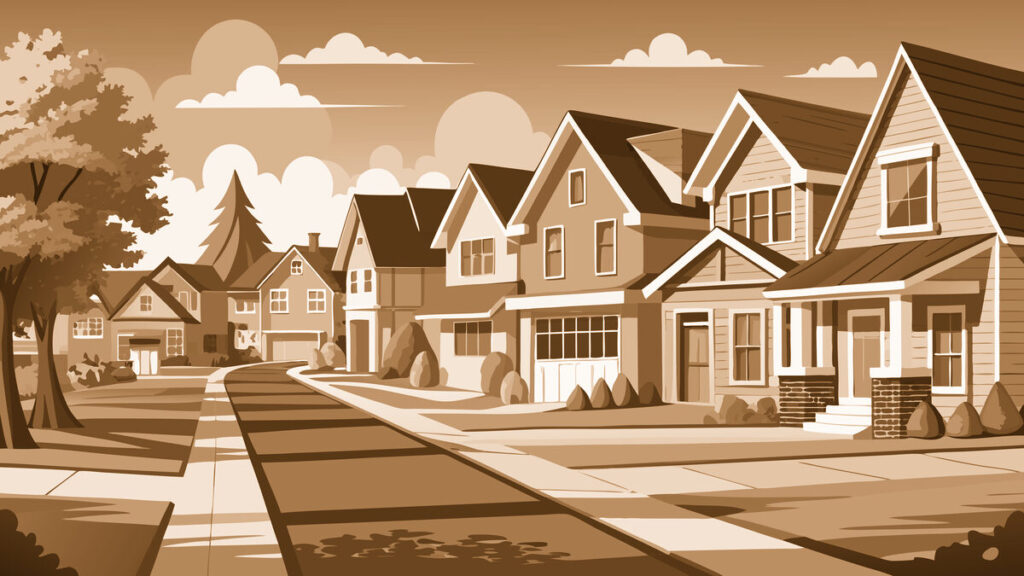
Nestled atop gently rising terrain, just west of downtown Westport, the Old Hill neighborhood is a place where the past mingles gracefully with the present. Its tree-lined roads, distinctive homes, and deep-rooted sense of community have long made it one of Westport’s most cherished enclaves. Whether you’re a newcomer or a lifelong resident, exploring the history and heritage of Old Hill offers a window into the soul of the town itself.
Origins of Old Hill
Old Hill’s story begins in the 18th century, when Westport was still a patchwork of rural farms and colonial homesteads. The neighborhood’s name, “Old Hill,” is a nod to its prominent location on one of the area’s highest elevations—an “old” hill that historically provided strategic and scenic advantages. In the days before downtown Westport became the bustling hub it is today, Old Hill’s elevated position allowed early residents to watch over the land that rolled gently down to the Saugatuck River and Long Island Sound.
The neighborhood’s earliest layout featured winding country lanes, some of which—like Old Hill Road and Partrick Road—remain central thoroughfares today. These historic streets trace paths that once connected homesteads, orchards, and mills.
From Farmland to Community
Throughout the 1800s, Old Hill was still a world defined by agriculture. Many properties were working farms producing vegetables, fruit, and dairy. Families such as the Coleys and the Burrs, among other Westport founders, laid down roots in the area. You can still see glimpses of those rural origins in the open parcels, stone walls, and centuries-old trees that have withstood the march of progress.
By the late 19th and early 20th centuries, the land began to change hands as new arrivals from New York and other cities discovered Westport’s appeal as a summer escape. Old Hill’s grander homes from this era often feature Colonial and Victorian influences—clapboard facades, welcoming porches, and beautifully landscaped grounds. The shift from farm to suburb happened gradually, giving the neighborhood a patchwork of classic and modern homes that lend it a sense of timelessness.
Key Historical Milestones
Old Hill has quietly witnessed some of Westport’s most notable historic chapters:
- Revolutionary Roots: Old Hill’s high ground played a role during the Revolutionary War when British troops passed nearby on their way to the Danbury Raid in 1777. Local lore holds that some families in the area sheltered patriots and hid valuables on these very hills.
- Educational Beginnings: The one-room Gorham Avenue School, which once stood at the edge of Old Hill, educated generations of local children starting in the 19th century. Though long gone, its spirit endures in the value the community places on schools today.
- 1940s-50s Suburban Transformation: After World War II, Old Hill saw a surge as Westport’s suburban boom brought young families seeking the best of both worlds: peaceful surroundings and access to city life via the Post Road and the train station. Many of the mid-century homes, still standing on Little Fox Lane and Woodhill Road, date from this era.
Landmarks and Legacy
Old Hill is dotted with stately homes and landmarks that serve as quiet witnesses to its past:
- The Coley House: Situated on Old Hill Road, this historic residence—once the seat of the influential Coley family—epitomizes the neighborhood’s early architecture. The home’s white columns and generous lawn remain a picture of 19th-century Westport.
- Old Hill Cemetery: Tucked away on Partrick Road, this small graveyard is the final resting place for some of the area’s earliest inhabitants. Its weathered stones bear names familiar to Westport history, reminding visitors of the continuity between past and present.
- Watershed and Open Space: Though not a formal park, the wooded expanses between Partrick Road and Old Hill Road provide a haven for wildlife and serve as informal gathering spots for neighbors—perfect for autumn walks or snowy adventures.
Streets That Tell Stories
Walking or driving through Old Hill, you’ll notice the winding, tree-shaded street grid that sets it apart from more uniform developments:
- Old Hill Road: The neighborhood’s namesake, this stretch is lined with homes ranging from antique colonials to modern masterpieces, embodying the district’s diverse heritage.
- Partrick Road: Once a rural lane flanked by pastureland, today Partrick Road is a coveted address, anchored by its lush landscape and sense of quiet retreat.
- Gorham Avenue and Broadview Road: These connecting streets bring together families, dog walkers, and cyclists—illustrating the walkable, neighborly spirit that continues to define Old Hill.
Evolution Over the Decades
Old Hill has managed to evolve without losing its character. The homes here reflect waves of architectural style—from pre-Revolutionary saltboxes to breezy mid-century ranches, and, more recently, thoughtful new constructions that complement existing streetscapes. Preservation is important to residents: many updates to homes are done with an eye to tradition and respect for the landscape.
Neighborhood associations play an active role in maintaining Old Hill’s charm and community spirit. Annual street parties, holiday caroling, and informal book clubs are hallmarks of life in this intimate corner of Westport. And while the tranquility of the area persists, Old Hill is anything but sleepy—music, art, and conversation spill from homes where creative minds (including more than a few artists, writers, and musicians) find inspiration in these storied surroundings.
What Makes Old Hill Special
In a rapidly changing Fairfield County, Old Hill stands as a reminder of Westport’s origins—and an example of how neighborhoods can honor their past while embracing the future. Its leafy streets, lovingly restored homes, and sense of shared history are what make Old Hill not just a place to live, but a place to belong.
So the next time you stroll along Old Hill Road or pause beside the ancient headstones on Partrick Road, remember: you’re not just passing through a neighborhood, but through centuries of stories, layered one atop the next—each adding richness to Westport’s ever-unfolding tale.